Overview
On April 27, 2026, China’s National Development and Reform Commission announced a ban on foreign investment in the Manus project, marking the first publicly halted foreign acquisition in the AI sector. This decision underscores the importance of national security reviews for companies involved in critical technologies.
The global consensus among major economies emphasizes the need for stringent controls over AI technologies and core data. Training large AI models relies on vast amounts of data, prompting countries to enforce data security and sovereignty compliance during data collection, processing, and usage.
The EU’s AI Act imposes the strictest global requirements on privacy, bias, and copyright concerning training data. However, in 2025, the EU passed the Digital Comprehensive Act, easing restrictions on model training data to enhance innovation within the EU’s AI sector.
In March 2026, the White House released the National AI Legislative Framework. This framework shifts the focus from “safe, reliable, and trustworthy” AI to “innovation-driven” strategies, advocating for deregulation to maintain the US’s leading position in global AI competition. This marks a significant legislative shift from merely pursuing technological supremacy to constructing a comprehensive ecosystem.
The debates surrounding this framework highlight the evolving landscape of global AI governance, where AI governance has escalated from a technical issue to a comprehensive strategic capability encompassing national security and international rule-making.
Insights from Yao Xu
In a dialogue with Yao Xu, Secretary-General of the Global AI Innovation Governance Center and Associate Researcher at Fudan University, he analyzed the differing regulatory environments and approaches of China, the US, and the EU. He emphasized the risks of AI exacerbating global inequality and the digital divide.
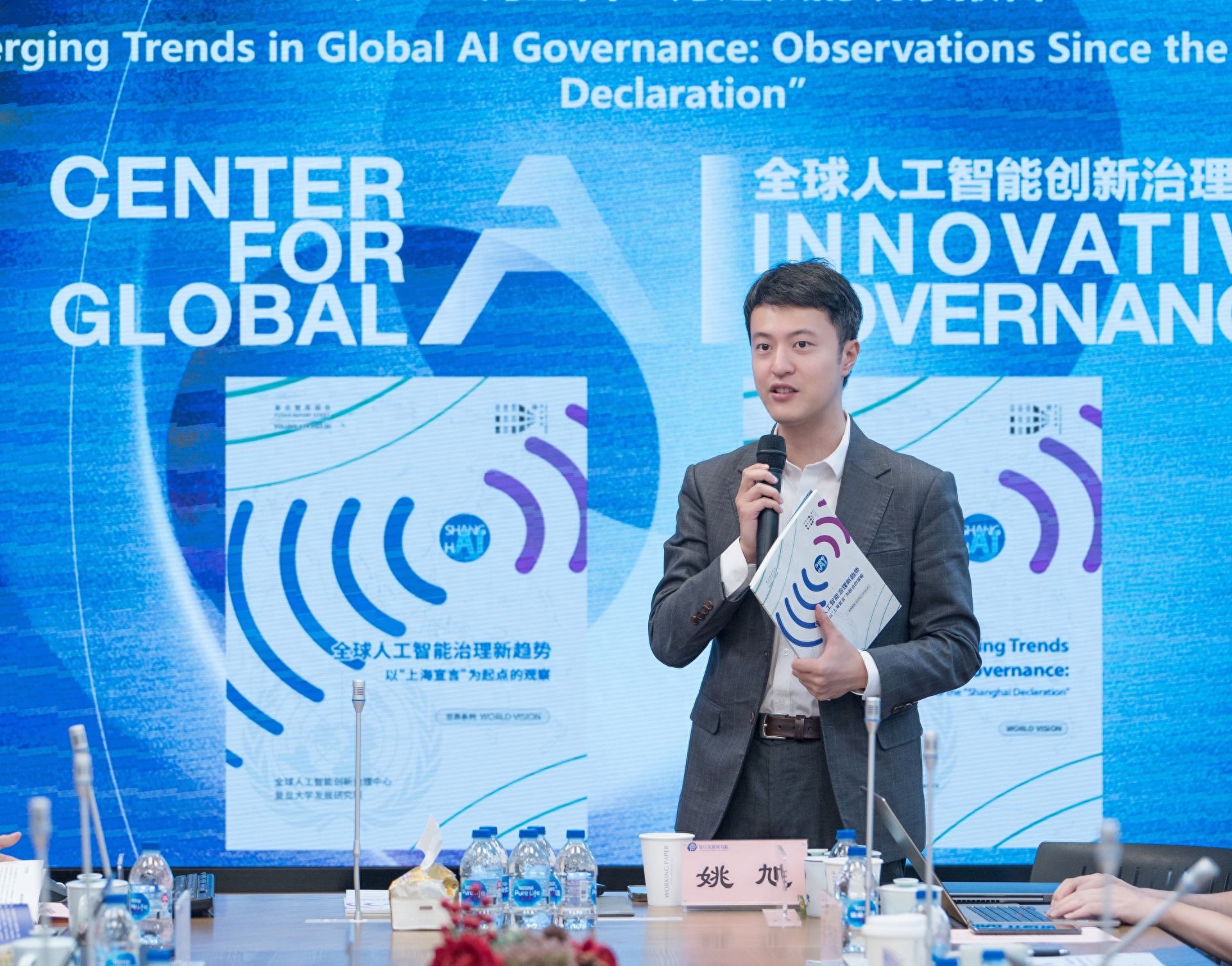
US AI Legislative Framework: Domestic Consensus Lacking, Global Influence Distant
Southern People Weekly: A few years ago, the EU’s General Data Protection Regulation (GDPR) was widely recognized. Can the Trump administration’s National AI Legislative Framework establish a new consensus?
Yao Xu: It’s unlikely. The framework’s emphasis on “federal priority” and “preemption” challenges the traditional power distribution in the US federal system, leading to backlash from tech-forward states like California, which has already enacted advanced digital legislation like the Consumer Privacy Protection Act.
Moreover, the framework is heavily influenced by partisan ideologies. The trend towards deregulation under Trump is viewed as radical by the Democrats and traditional left, contradicting their previous emphasis on “safe, reliable, and trustworthy” AI and antitrust regulations. Critics argue it excessively favors large tech capital while neglecting public privacy and relief, failing to address structural anxieties about job displacement due to AI.
While US-China tech competition is intense, Biden’s administration has not significantly relaxed tech regulation, including actions against major US tech companies.
Few countries share the US’s strong AI industry and federal-state governance structure, making the framework’s global export potential limited.
Southern People Weekly: Does the framework’s prohibition of state-level AI regulation aim to prevent developers from bearing excessive liability for third-party AI misuse?
Yao Xu: Globally, regulatory practices do not impose unlimited liability on foundational model developers; most responsibility lies with the product end. If open-source models are publicly released, any subsequent issues are hard to link directly to the developers, complicating accountability. While there are calls for more safety measures for open-source models, implementing such measures is technically and politically challenging.
I believe development and regulation should not be seen as opposing forces. Effective AI governance requires balancing development and safety. Regulation should clarify boundaries, informing companies and developers what is unacceptable while also defining compliance and desirable practices.
Regulation can promote innovation by reducing uncertainty, thus enhancing overall innovation efficiency.
Southern People Weekly: Does the US-China competition influence the formulation of US AI regulations?
Yao Xu: Competition from China is indeed a significant factor, prompting the US to view AI not just as a domestic issue but as a strategic tool to maintain its global dominance in the AI ecosystem.
Internally, the US faces numerous constraints, including the federal-state power struggle, ideological conflicts between parties, and tensions between the government and tech giants. Balancing the interests of large tech companies, SMEs, open-source communities, and sectors like defense and energy adds complexity to the regulatory landscape.
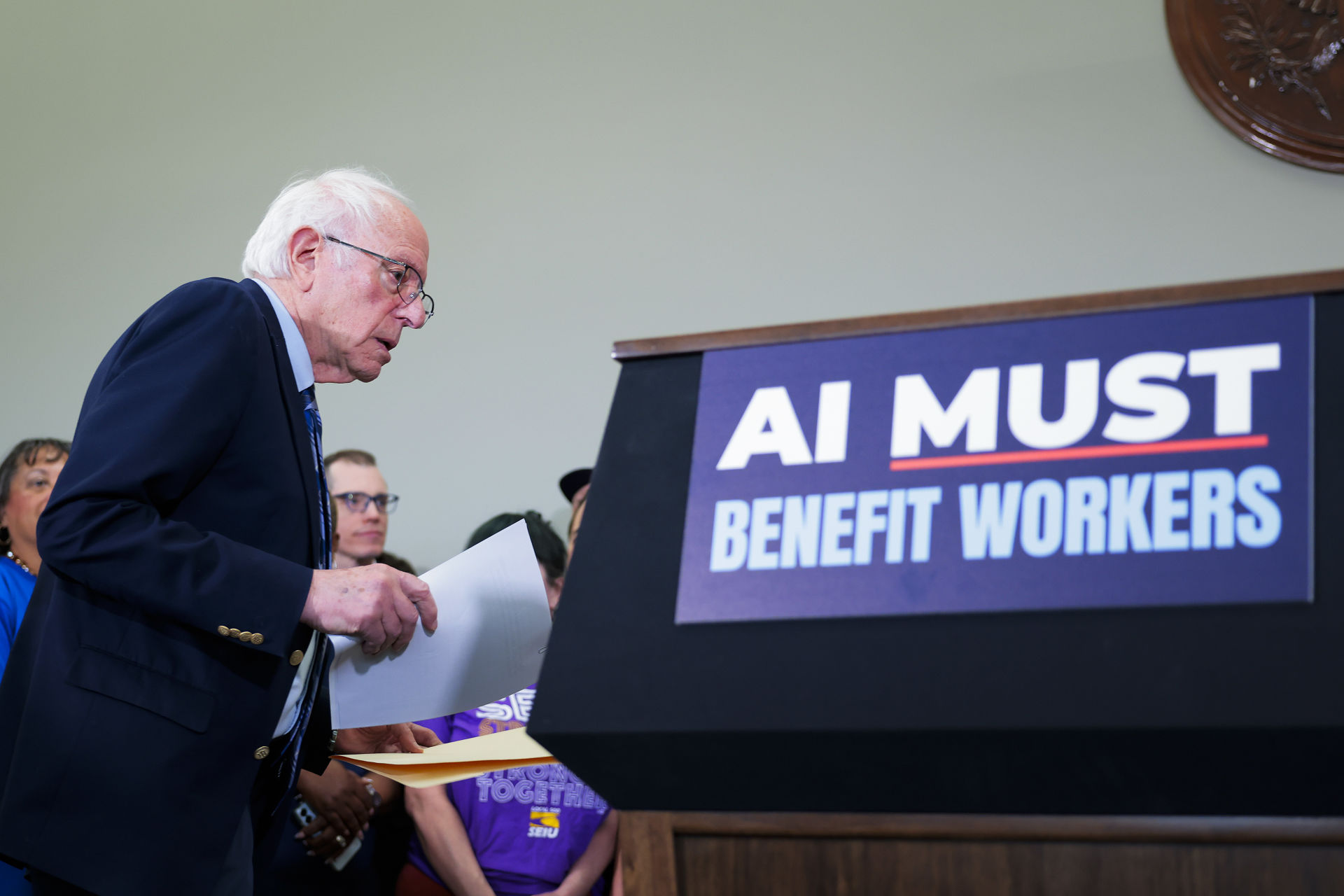
Global Divergence in AI Governance
Southern People Weekly: Can the EU’s AI Act replicate the global influence of the GDPR?
Yao Xu: The GDPR is indeed a significant reference point in regulatory discussions. Before its implementation, few countries had established mature personal data protection rules. The GDPR’s early adoption and moral high ground have led to the “Brussels Effect,” influencing subsequent data protection regulations worldwide.
However, as other countries adopt GDPR-like frameworks, the EU has begun to reflect on its limitations. Since the GDPR’s launch in 2016, the intensifying US-China digital economy competition has accelerated the evolution of platform economies, leaving the EU at a disadvantage in global digital competition.
The EU’s crisis response has created a mismatch in the legislative pace compared to other countries. While many nations began referencing the GDPR in 2016, the EU’s self-reflection on its regulations has limited its ability to adapt quickly.
In the AI era, countries are unlikely to simply replicate EU regulatory frameworks as they did with the GDPR.
Southern People Weekly: Currently, global AI regulation seems to diverge into three paths: the EU (emphasizing human rights and strong regulation), the US (focusing on market and decentralized legislation), and China (prioritizing agile governance and practical implementation). How do you evaluate these models?
Yao Xu: While there are distinctions among the US, China, and the EU, I oppose overly rigid categorizations. Each regulatory framework is dynamic and shaped by ongoing negotiations among stakeholders. AI regulations involve multiple power struggles, including national development versus security, government oversight versus industry interests, and ethical considerations versus technological innovation.
Southern People Weekly: Will global regulatory trends converge or diverge in the future?
Yao Xu: Currently, no country will declare a halt to AI development or insist on stringent regulation that stifles innovation. However, the strength of AI regulation varies by country due to several factors:
- National capabilities, including industrial and technological development levels and the influence of industry voices in policymaking.
- Traditional governance paths that shape policy approaches. The EU’s need for clear, unified rules for member states leads to a reliance on legal frameworks, emphasizing regulation as a means to define unacceptable actions.
The EU’s regulatory history shows a pattern of continuous adjustments. Their emphasis on individual rights and the ethical standards of regulation is much higher than in other regions. Historically, Europe has been a leader in technological civilization, allowing it to use regulation to slow down development when necessary.
However, Europe is now eager to shed the “strong regulation stifling innovation” label, shifting towards a more development-oriented approach. The adjustments in the AI Act reflect this desire for a balance between regulation and innovation.
In contrast, the US experienced rapid growth in internet and digital technology during the Democratic administrations, including the Obama and Biden eras. Despite strong antitrust and regulatory trends, the industry has continued to thrive, although internal sentiments among companies have begun to diverge, reflecting differing business models and ecological contexts.
Overall, there are no fixed governance models, only trends that evolve over time. In the long run, global AI governance trends may converge, but short-term fragmentation is likely to persist due to differing national interests and the intensifying US-China tech competition.
Southern People Weekly: If global AI regulatory frameworks remain fragmented, what challenges will Chinese AI companies face when expanding internationally?
Yao Xu: Chinese companies will continue to face pressures and challenges abroad, particularly as the US implements a comprehensive “full-stack” strategy for global AI development, covering everything from software to hardware.
All companies, not just those from China, will encounter difficulties in localization during this wave of globalization and rising anti-globalization sentiments. The widening gaps in policies and laws between countries will increase compliance costs, requiring tailored data collection and training efforts for different regions, posing significant challenges for project cost control.
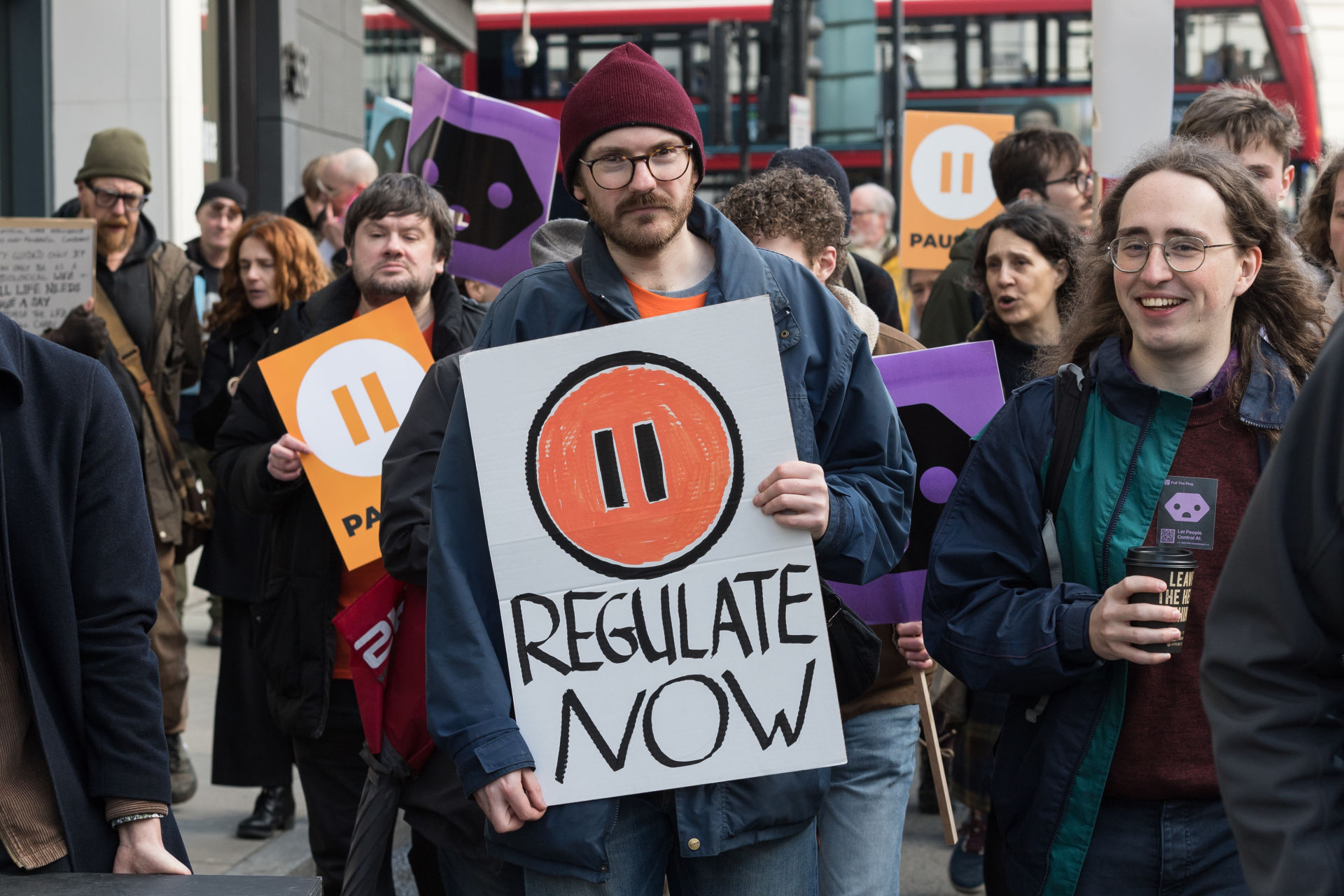
The Need for Comprehensive AI Legislation
Southern People Weekly: What aspects should be prioritized when formulating comprehensive AI regulations in China?
Yao Xu: China already possesses a toolbox of regulatory instruments for AI governance, guiding various sectors and achieving positive outcomes in specific governance projects. For instance, the interim measures for managing generative AI services require clear pre-launch filings for large models, and ethical reviews have established protocols. These regulations can be iteratively improved, as seen in the recent interim measures for managing AI humanoid interaction services.
The current wave of generative AI development is just the beginning. Future technological advancements and emerging issues will require agile governance solutions. Therefore, creating a comprehensive legislative framework is not the best approach. Even though the EU is advancing AI legislation quickly, it faces numerous challenges in adapting to high-risk areas, making adjustments difficult—a cautionary tale for us.
Instead of blindly following the EU’s path, we should learn from its experiences, particularly regarding risk classification in the AI Act. Rapid adjustments to existing regulations are more beneficial than establishing a comprehensive super law. For example, the interim measures for managing generative AI services have nearly 800 models approved for filing, raising questions about the need for innovation in the review process.
In this context, we should focus on the existing policy constraints affecting AI development both domestically and internationally, adopting a “small steps, quick iterations” approach. For instance, data cross-border flow remains a significant issue in the international deployment of computing power, despite the introduction of the “Three Two New Regulations” in 2024, which has shown promising results in various regions. However, adapting to the global landscape of AI and providing international public goods in AI still requires targeted considerations and rapid iterations.
Southern People Weekly: What concerns you most in the field of AI regulation and governance?
Yao Xu: In this new stage of rapid AI development, global southern countries face severe challenges related to the intelligence gap, limiting their overall development capabilities. The most pressing issue is the lack of foundational infrastructure for AI, including data centers, computing facilities, and energy support, which directly constrains AI development. Additionally, there is a significant talent gap in technology, hindering the ability to support industry growth during this AI boom.
Historically, global southern countries have experienced varying degrees of digital divides, and the current intelligence gap is more irreversible, exacerbating the Matthew effect. Resource-rich nations will continue to excel in resource aggregation and transformation, widening the gap with disadvantaged countries and potentially creating new monopolies and exploitation issues.
Thus, strengthening the capacity building of southern countries in AI is a direction that China has long advocated and actively pursued, resulting in numerous practical collaborations. At the same time, international organizations like the UN need to play a better role in coordinating global resources.
Comments
Discussion is powered by Giscus (GitHub Discussions). Add
repo,repoID,category, andcategoryIDunder[params.comments.giscus]inhugo.tomlusing the values from the Giscus setup tool.