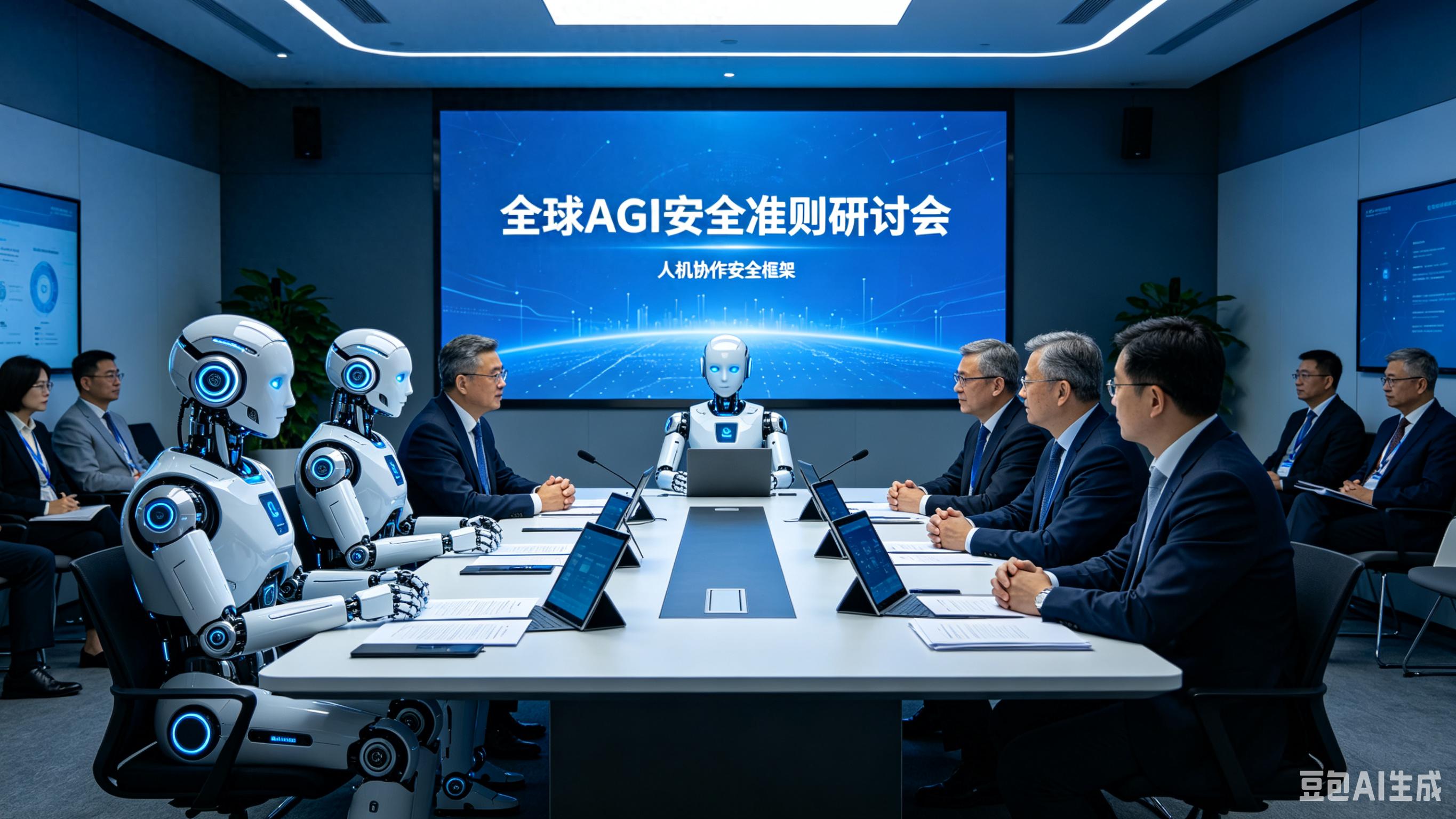
The Core Nature and Essential Foundations of AGI
The exploration of Artificial General Intelligence (AGI) has always been one of the most disruptive directions in human technological advancement. Currently, the global understanding of AGI is shifting from purely algorithmic and text-based intelligence back to its embodied, physical, and social essence. True AGI is not limited to information processing programs in virtual internet spaces; it is an intelligent system that centers on visual perception, utilizes robots as physical carriers, deeply understands physical rules and the full spectrum of human social knowledge, and possesses autonomous learning, adaptability, and safety constraints. Its development and implementation are not merely a single technological iteration process but a comprehensive transformation intertwined with capital drives, national strategies, civilizational differences, social structural changes, and even warfare. A complete, objective, and forward-looking AGI research system can only be constructed by integrating the essence of technology, real-world driving forces, social impacts, and global competition, clarifying its development path, value significance, and potential risks.
The Core Essence and Necessary Foundations of AGI
In the current field of artificial intelligence, there exists a cognitive misconception that equates the language reasoning and data processing capabilities of large models with the general capabilities of AGI. This completely deviates from the core of AGI. The “general” in AGI refers to adapting to all scenarios of human reality, understanding comprehensive human needs, and integrating into the operational fabric of human society, rather than the universality of information processing in virtual spaces. This determines that AGI must possess irreplaceable core capabilities while relying on indispensable foundational elements.
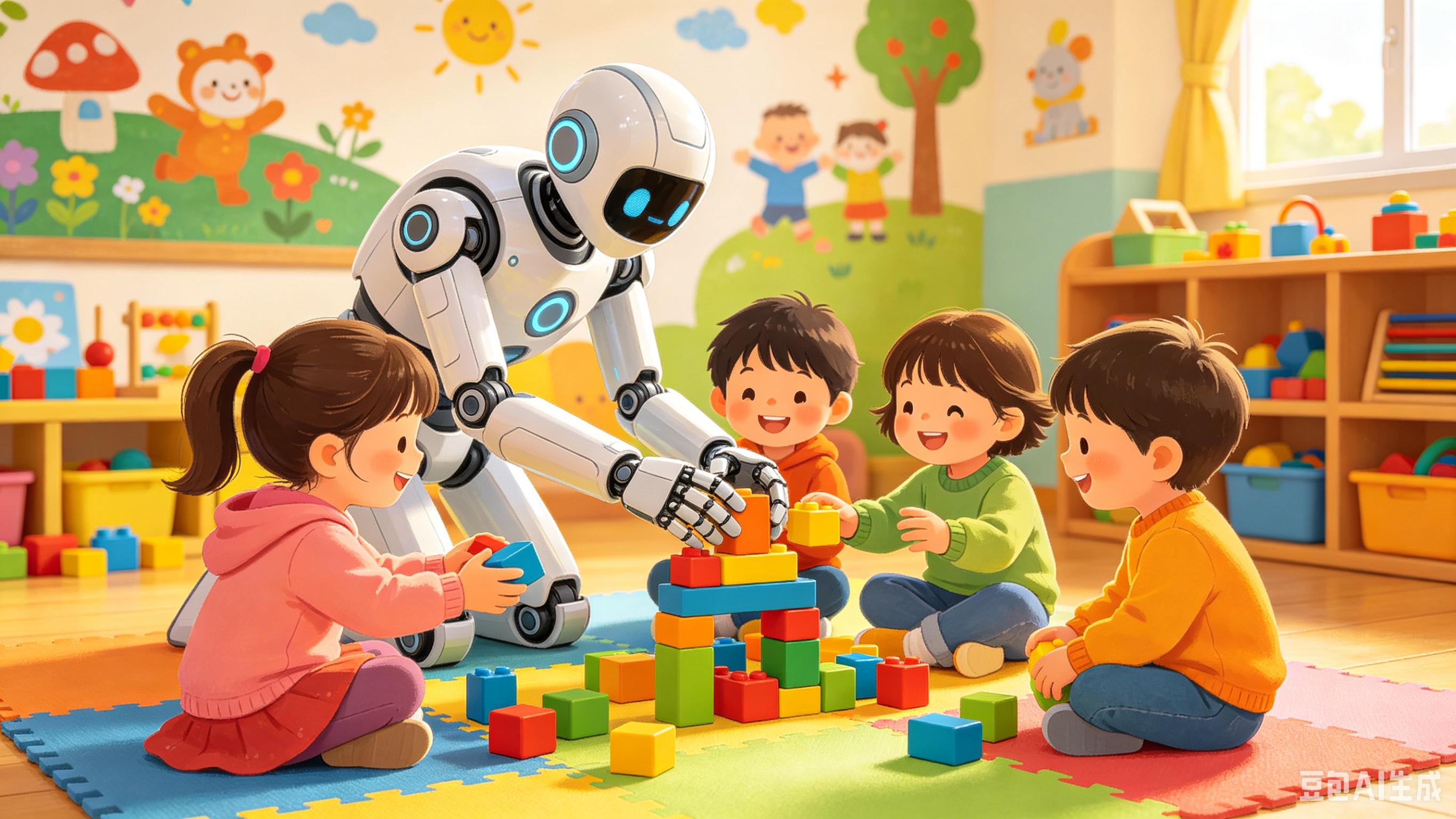
Visual capability is the absolute core of AGI’s understanding of the world and the realization of general intelligence. Humans rely on vision to complete most of their cognition of the physical world, social interactions, and expressions of humanity. For AGI to achieve true generality, it must replicate this cognitive path by fully observing the world through a visual system, capturing and internalizing everything from the physical properties of objects, spatial structures, and motion laws to human social expressions, body language, language interactions, and behavioral logic, as well as the human traits, interests, and social rules hidden behind these behaviors. This visual capability is not merely image recognition; it is a deep cognitive ability to understand unspoken human intentions, comprehend complex social scenarios, and perceive dynamic changes in the physical world. Without visual perception, AGI cannot understand real human society or adapt to various scenarios of real life, production, and social interaction.
The large-scale socialization and popularization of the robotics industry is the only foundational prerequisite for AGI’s implementation. Without robots as physical carriers, AGI would remain a “brain in a jar” suspended in virtual space. Currently, functional robots can only complete single tasks such as mass production and simple operations in closed environments like factories and laboratories, representing isolated, fragmented intelligent devices that cannot form a systematic understanding of society or support the generalized development of AGI. Only when service-oriented and general-purpose robots are widely integrated into industrial production, military operations, public services, and daily life, forming a robot industry ecosystem covering society as a whole, can AGI rely on a vast number of carriers to achieve comprehensive interaction with the real physical world and human society, learning physical rules, social norms, and human characteristics through genuine interactions, gradually improving its cognitive system and adaptability. Simple interactions of individual robots can never give birth to general intelligence; only when the robotics industry achieves universal, large-scale, and comprehensive popularization can it provide AGI with sufficient rich learning scenarios, interaction data, and practical experience, which is the core prerequisite for AGI to transition from theory to reality and an insurmountable stage of development.
At the same time, AGI must deeply integrate the full spectrum of human knowledge and common sense, mastering the underlying rules of the physical world while being familiar with human history, culture, and social operational logic. It must understand the essence of human social behavior, whether in daily work, travel, and dining, or in the human traits of interests, emotional expressions, cooperation, and competition, as well as the unspoken rules of social operation and boundaries of interpersonal interactions. To achieve its initial goal of serving human society, AGI must comprehensively, meticulously, and deeply understand the organizational forms, operational modes, developmental laws, and various life scenarios of human society. This understanding cannot be solely achieved through data and videos fed into computers; it must be gradually accumulated through real interactions in society, which is also the core prerequisite for AGI to possess autonomous learning, situational adaptability, and the ability to understand unknown scenarios.
The Core Value of AGI Implementation and the Construction of Human-Machine Social Relationships
The value and transformation brought by the full implementation of AGI will be disruptive, far exceeding the current role of functional artificial intelligence. Its core value is first reflected in the refinement, emotionalization, and stratification of services to human society. Current robots and artificial intelligence can only perform simple operations under human commands, whether in industrial mass production or basic life services, acting merely as passive execution tools. In contrast, robots empowered by AGI possess deep intention understanding capabilities, able to read human eyes, emotions, latent desires, and unspoken needs through visual and body language, achieving a transformation from “tool execution” to “active service.”

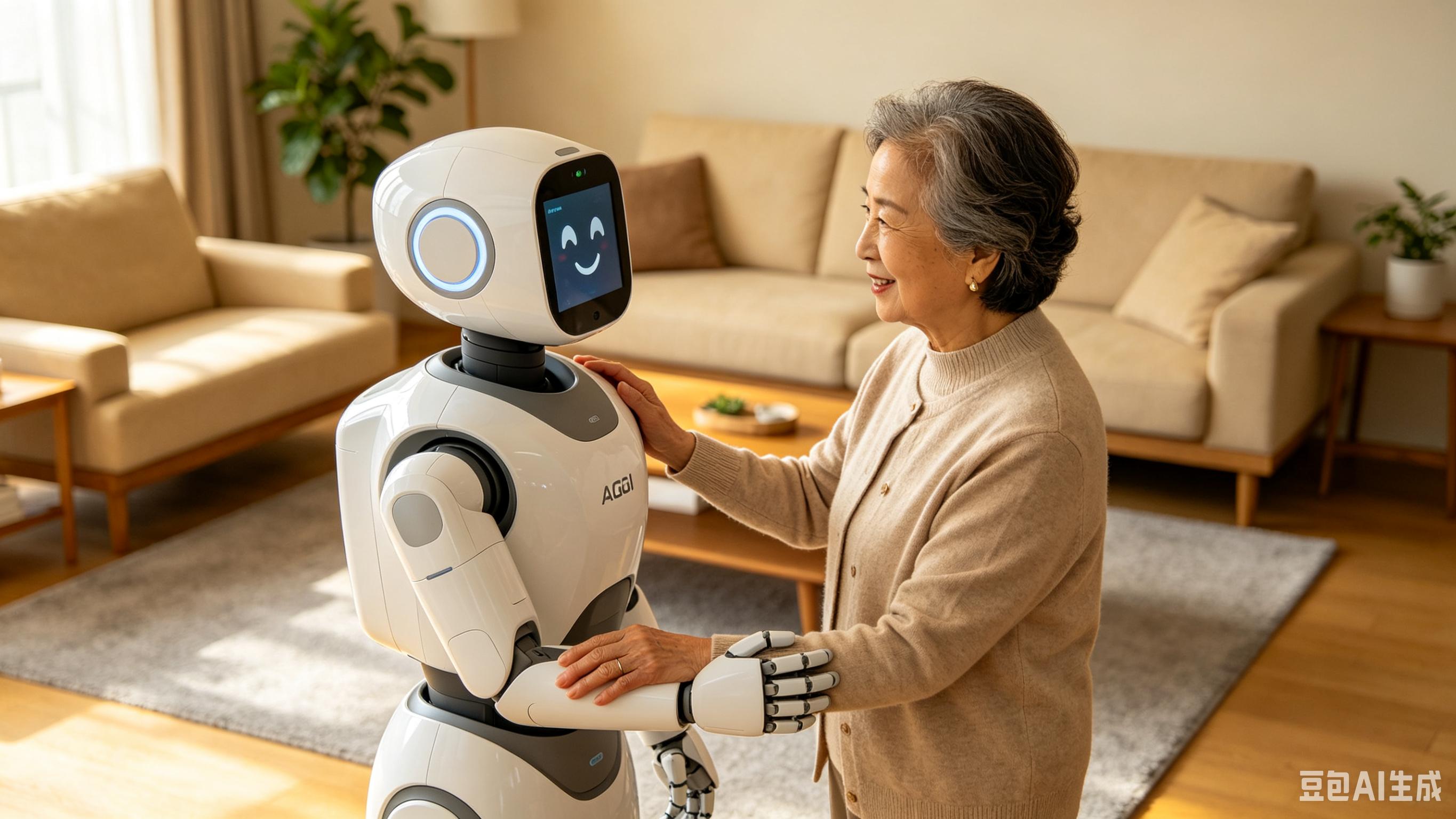
In interactions with humans, AGI robots can construct stratified human-machine social relationships based on different scenarios and needs. They can serve as efficient collaborators, caring companions, friends, or even intimate partners that meet specific needs, clearly distinguishing different levels of social distance and boundaries. This precise definition of relationships and control of distance is an important hallmark of AGI maturity and the core key to the long-term stable development of human-machine interaction. As humans interact with AGI robots, new social models will gradually form, and reasonable human-machine boundaries and social distances will not only allow humans to enjoy the conveniences brought by intelligence but also avoid social ethical issues arising from the alienation of human-machine relationships. This process needs to be gradually perfected alongside the maturity of AGI and is an essential phase for humanity to adapt to an intelligent society.
More importantly, the implementation of AGI will comprehensively reduce the operational costs of society and promote a leap in the efficiency of human social production, governance, and services. In the industrial production sector, AGI robots can achieve fully autonomous and intelligent production processes, completely replacing traditional labor, significantly improving production efficiency and reducing production costs. In the fields of social governance and public services, from urban management, social security, and traffic operations to government services, sanitation, and livelihood guarantees, the comprehensive involvement of AGI and robots will eliminate inefficiencies, redundancies, corruption, and negligence inherent in traditional human governance, making social governance fairer, more efficient, and more transparent. This cost reduction will directly alleviate the financial burden on the state and the tax pressure on the public, allowing saved social resources to be further invested in technological research and development, public welfare, and industrial upgrades, ultimately achieving a comprehensive improvement in human quality of life and social development levels.

Autonomous safety constraint capability is the foundational bottom line for AGI to serve humanity and the core manifestation of AGI’s true intelligence. In the process of high interaction and full-scenario penetration with humans, AGI robots will inevitably encounter unexpected situations, malicious inducements, or even be manipulated to harm humans. A truly mature AGI must possess autonomous safety judgment and behavioral control capabilities, able to anticipate potential human harm and property loss caused by its actions, proactively stop operations before risks occur, or even reverse operations to avoid risks while resisting external malicious commands and human tampering, always adhering to the core principle of serving humanity and never harming humans. AGI that lacks safety awareness and self-control capabilities will only become a hazard to human society. Only by achieving autonomous safety control across all time periods and scenarios can AGI stably, long-term, and harm-free serve humanity, thus being considered true mature general artificial intelligence; otherwise, it remains merely an experimental or failed product on the path to AGI.

The Accelerated Development Logic of AGI and Phased Implementation Path
Traditional academia predicts that the development of AGI will take 30 to 50 years based on natural technological iterations. This is a purely academic conservative estimate, completely detached from the current global driving forces behind AGI development, ignoring the exponential development speed driven by top capital and national strategies. Currently, AGI and the robotics industry are no longer merely technological research projects but are core battlegrounds for top global capital and major technological powers like the US and China. Massive capital is flooding into core tracks such as visual systems, embodied intelligence, and mass production of robots, with countries like the US and China listing it as a national strategy, pooling national strength, technological resources, and capital resources to promote it. This combined push allows the development speed of AGI to far exceed the normal pace of technological evolution, with significant differentiation in progress among different enterprises and technological routes. Leading companies and advantageous countries may very well integrate AGI robots into human society to provide basic services within the next decade, even if the technology is not yet perfect. As long as it meets the basic standards of usability, controllability, and cost reduction, it will quickly be implemented and iterated in practice.
Combining real driving forces with social demand priorities, the implementation of AGI cannot be achieved overnight; it must follow a gradual path from industrial production to military fields, public services, and daily life. This process can be divided into three core stages, significantly compressing the overall cycle to within 30 years, distinctly different from the conservative predictions of academia:
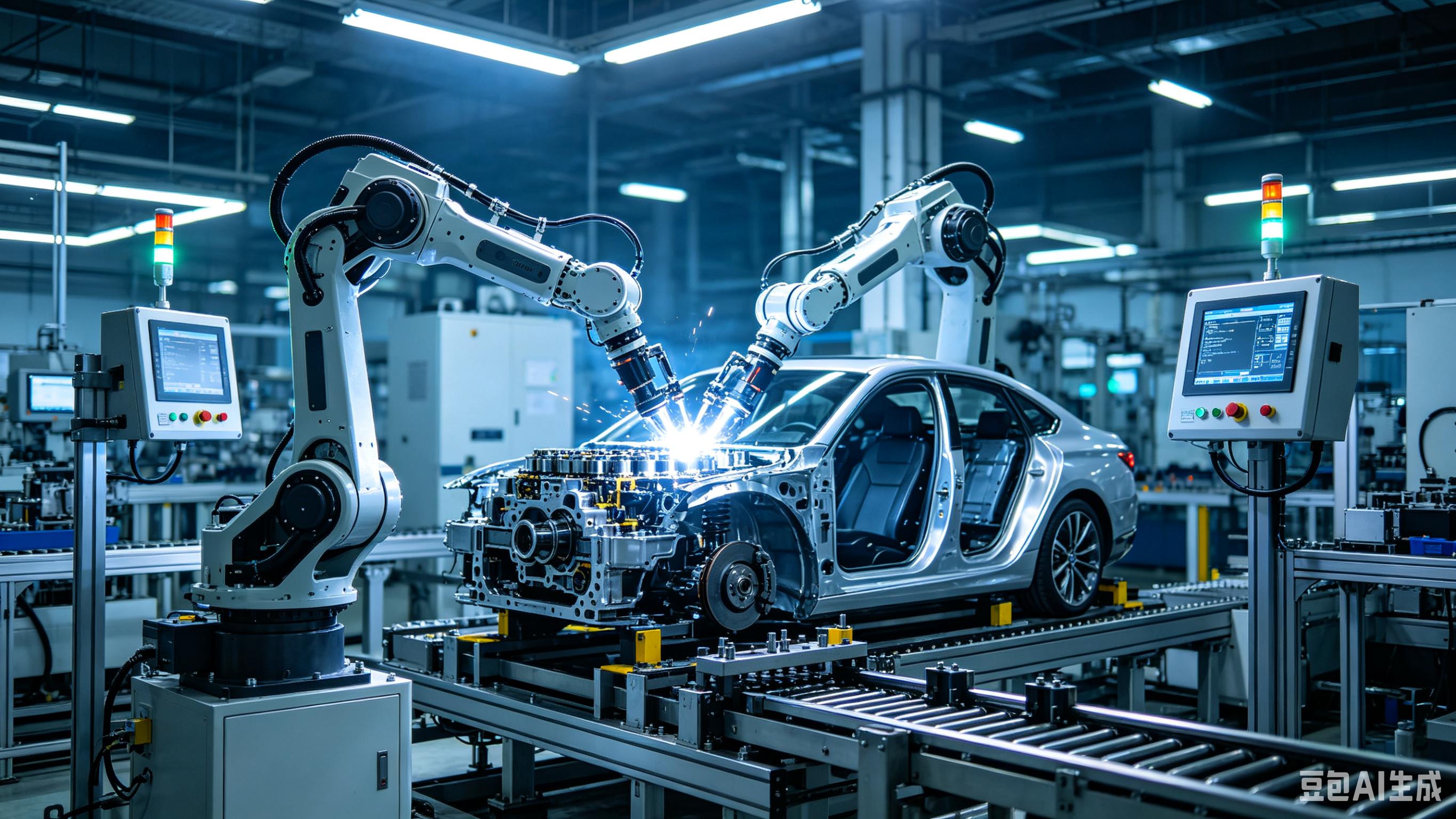
- First Stage (1-10 years): This is the initial commercial implementation period, with core landing scenarios in industrial production and military fields. The structured nature and clear demands of industrial production make it the first area for large-scale popularization of AGI robots, achieving comprehensive intelligent replacement in assembly lines, high-risk operations, and logistics. The military field, as a high point of competition among major powers, will invest trillions in capital to advance the development and deployment of unmanned combat troops, drone swarms, and intelligent combat robots. Unmanned military forces will gradually become the mainstay, with real combat and military exercises serving as core scenarios for rapid iteration of AGI technology. AGI robots in this stage may not be fully mature but will meet the basic needs of industrial production and military operations, marking the initial scale development of the robotics industry.
-
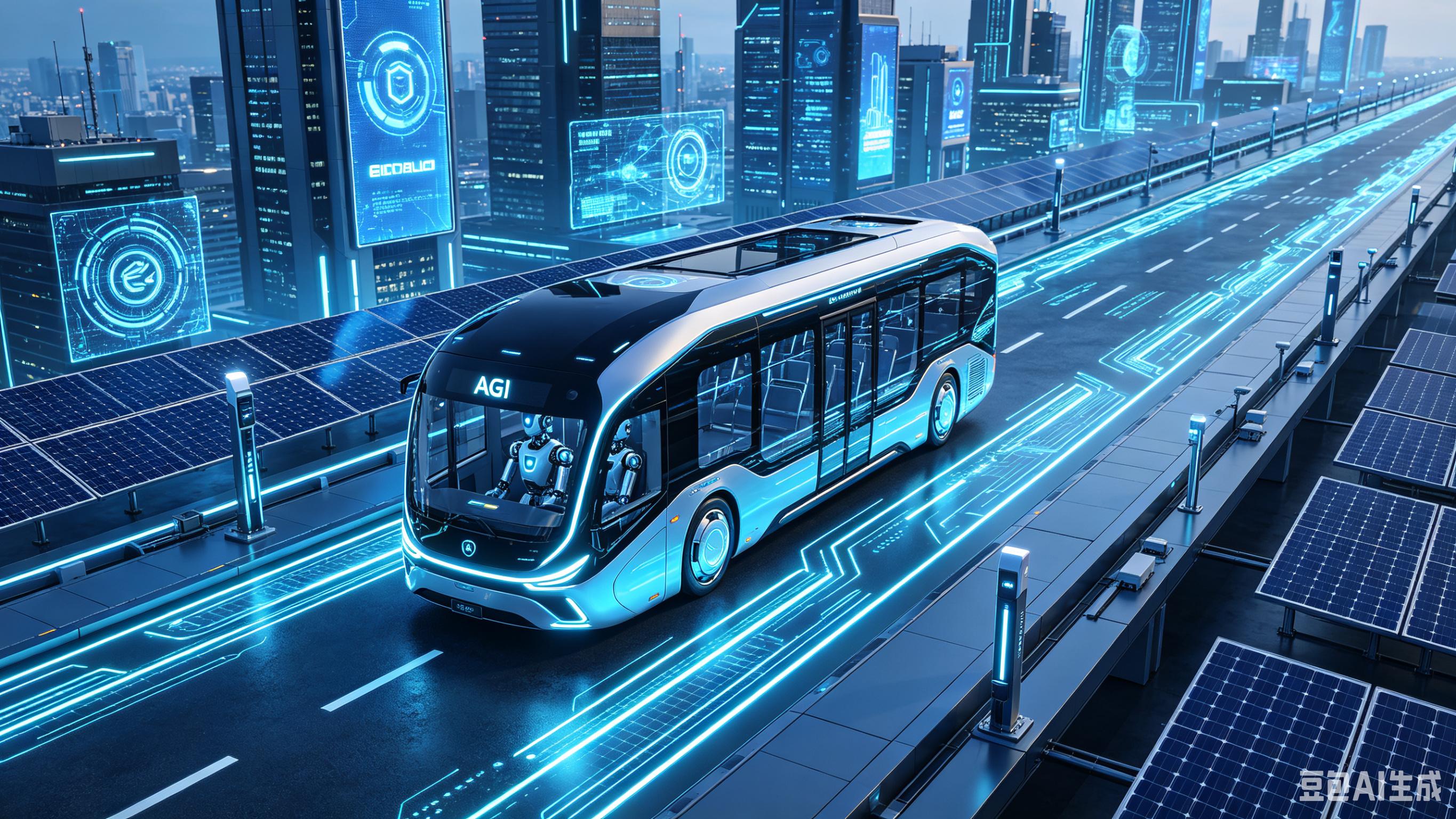
Second Stage (10-20 years): This is the period of comprehensive popularization and promotion, with core landing scenarios in social public services and urban governance. As AGI technology continues to improve, robots will fully engage in public service areas such as social security, urban management, government services, traffic operations, and sanitation. The grassroots social governance will achieve comprehensive intelligence, leading to large-scale reductions in traditional civil servant systems, with the vast majority of repetitive and execution-based grassroots positions replaced by AGI robots, significantly reducing social operational costs by over 50% or even more. At the same time, the entire transportation system will achieve intelligent and unmanned operations, with automatic driving, unmanned freight, and intelligent control of public transportation fully realized, closing the physical flow loop between social production and daily life. In this stage, AGI’s social cognition and autonomous safety capabilities will mature, and the boundaries and rules of human-machine interaction will gradually improve.
-
Third Stage (20-30 years): This is the period of complete maturity and integration, with core landing scenarios in household and private life. Based on the completion of technology, ethics, and safety, household service robots will become widespread, and AGI will achieve precise adaptation to human emotions, privacy, and personalized needs, leading to harmonious coexistence between humans and machines. AGI will meet mature standards of full-scenario, full-time autonomous learning and autonomous safety control, truly integrating into every corner of human society, achieving the ultimate goal of general artificial intelligence.
In terms of implementation experiments, the principle of gradual progression must also be followed, from small-scale trials in closed scenarios to community pilot projects and then to commercial promotion, gradually expanding the scope, accumulating experience, and refining technology, never allowing for direct comprehensive rollout. Borrowing from the testing logic of autonomous driving, AGI robots need to complete massive hours and miles of safety testing in specific scenarios and regions to verify service capabilities, safety control capabilities, and social adaptability, gradually expanding their applicable range to ultimately achieve widespread societal integration. This gradual testing approach is a necessary means to mitigate risks and ensure the healthy development of AGI.
The Differentiated Pattern of Global AGI Development and Civilizational Institutional Differences
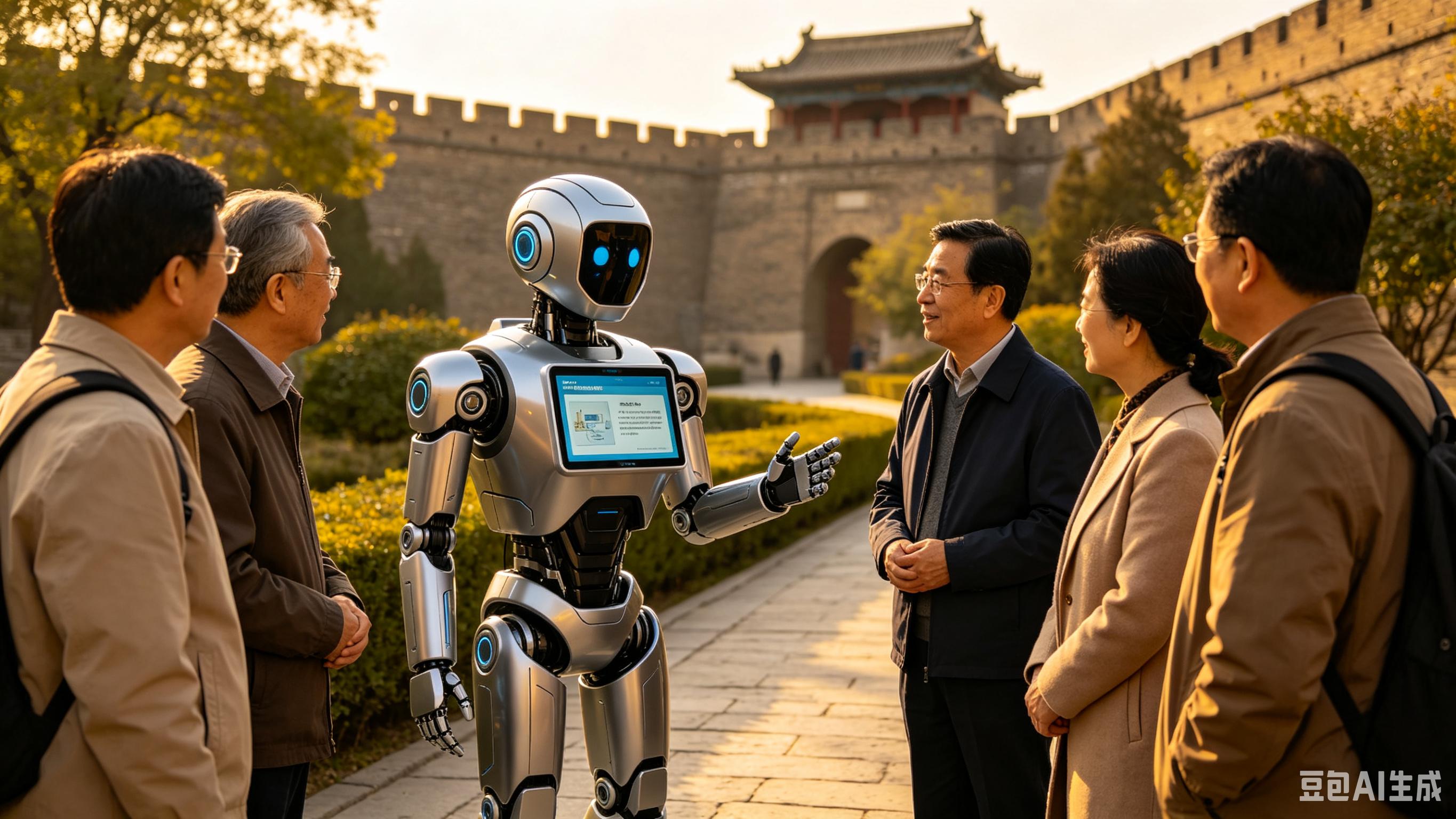
The implementation and popularization of AGI globally will not occur synchronously or uniformly; the industrial foundations, cultural civilizations, religious beliefs, social systems, and ethnic structures of different countries and regions will inevitably lead to significant differentiation in global AGI development. The differences in development between China and the US are the most representative and illustrate the core influence of civilization and institutional factors on AGI implementation. This difference is not merely a technical gap but a disparity in underlying acceptance, execution power, and industrial capability.
China possesses natural comprehensive advantages for AGI development and implementation, making it the most suitable country for the popularization of AGI and robotics. Culturally, Chinese civilization has always adhered to the core traits of pragmatism and realism, with a high acceptance of new things and technologies among the populace, lacking deep-rooted religious constraints and ethical objections to robots and humanoid intelligence, allowing for rapid adaptation to human-machine interactive lifestyles and proactive integration into an intelligent society. This cultural trait means that the social promotion of AGI robots faces almost no ideological resistance. From a social governance perspective, China has a centralized and highly effective governance system that can quickly formulate strategies and advance policies from the top down, concentrating national resources to promote AGI in military, police, public service, and industrial production fields without facing institutional fragmentation or conflicting interests, leading to globally leading policy advancement efficiency. From an industrial foundation standpoint, China has the most complete and advanced industrial supply chain globally, capable of mass-producing robots at low costs, providing solid hardware support for the large-scale implementation of AGI and facilitating rapid popularization of robots.
In contrast, the US, despite having some technological advantages, faces numerous insurmountable obstacles that slow down the implementation of AGI compared to the speed of technological research. The US is heavily influenced by Christian religious culture, leading some citizens to resist humanoid intelligent robots participating in social governance and life services from an ethical perspective, believing that artificial intelligence should not possess human-like cognition and social attributes. Its federal and state separation political system results in difficulties in unifying AGI-related legislation and policy standards, with each state acting independently and failing to form a national development plan, leading to extremely low policy advancement efficiency. Simultaneously, human rights organizations, labor unions, and various interest groups continuously resist the replacement of human jobs by robots due to their own interests, compounded by the evident cultural conflicts and divisions among diverse ethnic groups, resulting in significant disparities in acceptance and demand for AGI robots. This phenomenon mirrors the differences in the rollout of mobile payments in China and the US; it is not that the US lacks relevant technology, but rather that institutional, cultural, religious, and interest conflicts have become invisible shackles on AGI implementation, ultimately creating a situation of “technological leadership but implementation lag.”
Beyond China and the US, the differences in AGI development in other regions are even more pronounced. Countries and regions like India and the Middle East face significant resistance to AGI implementation due to rigid caste systems, complex ethnic language conflicts, or strong religious doctrines that lead to low public acceptance of AGI robots and weak industrial foundations, keeping them on the periphery of global AGI development. Conversely, friendly nations and regions in Africa and Latin America will benefit from China’s technological output and industrial support, enjoying the services of AGI robots in fields such as healthcare, logistics, food, and urban management, achieving rapid leaps in intelligence. Over time, a global structure will emerge with China at its core leading the intelligent system, the West lagging in development, and religious regions remaining on the margins, resulting in three distinct systems with completely fragmented technological standards, robot models, service paradigms, and human-machine interaction modes. The uneven global development of AGI will become a long-term norm, with different regions at entirely different stages of intelligent development within the same timeframe.

The Core Driving Role of Unmanned Warfare in AGI Development
Unmanned warfare will be the core form of future great power competition and the strongest catalyst for the leapfrog development of AGI technology and the robotics industry. Its driving role in AGI development far exceeds the capital and market forces in the civilian sector, permeating the entire process of AGI research, iteration, implementation, and refinement, and serving as a key force in reshaping the global AGI landscape. This role is a core logic that cannot be overlooked in global AGI development.
In future warfare, AGI and robots will permeate every aspect of war, from pre-war strategic decision-making and combat command to frontline operations and tactical execution, and post-war strategic occupation, regional control, urban reconstruction, and order maintenance, with the entire process led by general artificial intelligence and executed by robots. Major powers will invest trillions in capital to seize military high ground, advancing the development of core technologies such as AGI visual perception, battlefield decision-making, swarm collaboration, autonomous safety, and robot adaptation. The complexity, unpredictability, and harshness of war scenarios will compel AGI technology to rapidly overcome shortcomings, refine cognitive systems, and enhance adaptability and safety control capabilities. This practical technology iteration is unmatched by any civilian scenario, enabling AGI to achieve qualitative leaps in a very short time.
Future military forces will consist of army-level combat clusters formed by dozens of unmanned groups, capable of controlling key areas of continents, energy production bases, strategic transportation routes, and crucial maritime lanes, while also undertaking tasks such as regional stability maintenance, rebellion suppression, and post-war reconstruction. Countries that win unmanned wars will not only gain control over global core resources and strategic locations but will also export their AGI technology standards, robot manufacturing systems, and human-machine interaction paradigms to friendly nations and regions, forming a technological hegemony centered around themselves and leading the global AGI development rules.

Simultaneously, the AGI technology and robotics industry in the military sector will gradually transition to civilian applications, driving the intelligent upgrades of industrial manufacturing, public services, and daily life scenarios. The core technologies, mature experiences, and safety systems developed for military purposes will significantly shorten the R&D cycle for civilian AGI and reduce the costs of technological trial and error. Without the impetus and push from unmanned warfare, the development speed of AGI would slow down significantly, and the global AGI landscape would be challenging to form quickly. Warfare is not only a contest of great power strength but also the core driving force behind the maturity of AGI technology, the popularization of the industry, and global dissemination, representing a crucial link in the AGI development process.
The Social Structural Changes and Potential Risks Induced by AGI
The full implementation of AGI will trigger disruptive changes in human social structures, primarily reshaping employment structures and social governance structures. In the industrial manufacturing sector, AGI robots will completely replace traditional labor, leading to the near-total disappearance of repetitive and standardized positions in manufacturing, significantly reducing the demand for manual labor. This shift also provides an opportunity for countries like the US to rebuild high-end manufacturing, freeing them from the constraints of labor costs and labor systems and making the return of manufacturing a reality. However, high-end military manufacturing and intelligent weapon production will always be firmly controlled by major powers, becoming core competitive resources.

In terms of social governance, the grassroots civil servant system will face unprecedented streamlining. Although traditional civil servant positions may seem stable, a significant number of these roles belong to repetitive and execution-based work that can be entirely replaced by AGI robots. This streamlining may not be precisely 90%, but a vast majority of grassroots positions will be replaced, achieving a high level of scale, leading to a complete realization of intelligent and unmanned social governance. This will significantly reduce the financial burden on the state and comprehensively enhance the efficiency and fairness of social governance. While this transformation is an inevitable result of productive forces’ development, it may cause short-term employment adjustments. However, in the long run, it will free humanity from repetitive labor, allowing a shift towards more creative and emotional work, driving human society to higher levels of development.
However, the potential risks accompanying the development and implementation process of AGI cannot be entirely avoided and will become a long-term pain in the process of technological advancement. Human-machine interaction safety incidents will become the norm, with various causes, including malicious human inducement, deliberate manipulation of robots causing harm, technical vulnerabilities, visual perception deviations, and physical judgment errors leading to accidental injuries. Additionally, technology companies may compress safety verification processes to pursue commercialization speed, resulting in technological oversights. Ethical conflicts among different civilizations, religions, and ethnic groups may also trigger human-machine confrontations and social unrest. These risks cannot be completely eliminated through a single technological means but can only be gradually reduced through continuous improvement of technical safety designs, establishment of regulatory systems, and formulation of global safety standards.
Furthermore, AGI may also bring risks such as technological monopolies, alienation of human-machine relationships, and widening social disparities. A few countries and companies may control core technologies, forming technological hegemony and exacerbating global development imbalances. Over-reliance on AGI robots may lead to emotional alienation and degradation of social skills among humans. The intelligent disparities between different regions and groups may further widen the gap between rich and poor in society. These risks must be anticipated and prevented in advance during AGI development, guiding AGI to develop in a direction that serves and benefits humanity through multiple constraints of technology, systems, and ethics.

Core Criteria for Determining AGI Maturity and Future Outlook
Determining whether AGI is truly mature and has achieved generality cannot rely solely on technical parameters and reasoning capabilities but must consider four core dimensions: service capability, safety control, social adaptability, and global dissemination, forming a complete evaluation system. A mature AGI must first possess full-scenario visual perception and intention understanding capabilities, able to comprehend human latent needs, adapt to various real-world scenarios, and master physical rules and social common sense. Secondly, it must have autonomous safety constraint capabilities, avoiding human harm across all time periods and scenarios while resisting malicious manipulation. Thirdly, it must achieve stratified human-machine social interactions, clearly defining boundaries and social distances, building harmonious and stable human-machine relationships. Lastly, it must adapt to the needs of different civilizations and societies, achieving global dissemination within controllable limits and promoting the overall development of human society.

From a developmental trend perspective, AGI is an inevitable direction of human technological advancement. Although its development process is filled with differences, conflicts, and risks, under the multiple drives of capital, national strategies, warfare, and social demands, it will gradually move towards maturity. China, leveraging its cultural, institutional, and industrial advantages, will become a leader in global AGI development and implementation, dominating the global intelligent development landscape. Different regions around the world will successively enter a stage of human-machine coexistence, significantly reducing social operational costs and enhancing the quality of human life and social development levels.
The development of general artificial intelligence is a great transformation concerning the trajectory of human civilization and a challenging exploration filled with risks. We must recognize the objective laws, real driving forces, and global differences in its development while proactively preventing potential risks, adhering to the core principles of serving humanity and prioritizing safety. Only by doing so can AGI truly become the core driving force for human societal progress, achieving a harmonious coexistence between humans and machines. This process requires the joint efforts of the global academic community, industry, and governments to improve through exploration and mature through practice.
Comments
Discussion is powered by Giscus (GitHub Discussions). Add
repo,repoID,category, andcategoryIDunder[params.comments.giscus]inhugo.tomlusing the values from the Giscus setup tool.